 Email: jiedong@sxrszdh.com
 Phone / Wechat:+86 15340683922
Description
Product Introduction
The transmitter shorted out—a failed pressure transducer in the fuel gas skid. The 24 VDC loop supply pushed 200 mA through the circuit, and the analog input module’s channel was dead. That’s a 2,000 repair for a 2 fuse. The IS230TCISH9C has a 100 mA fuse on every channel, so a shorted transmitter takes out a 50-cent fuse instead of the module. Installed one, and never lost another channel.
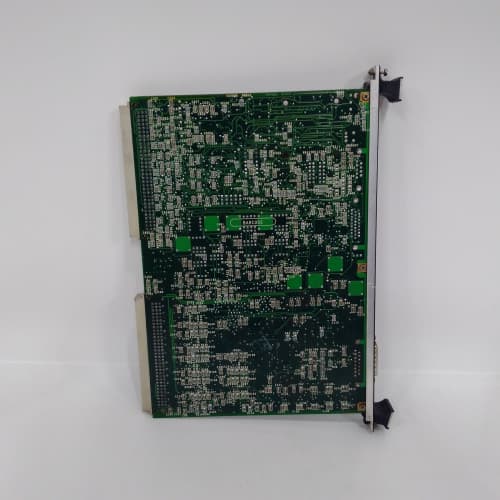
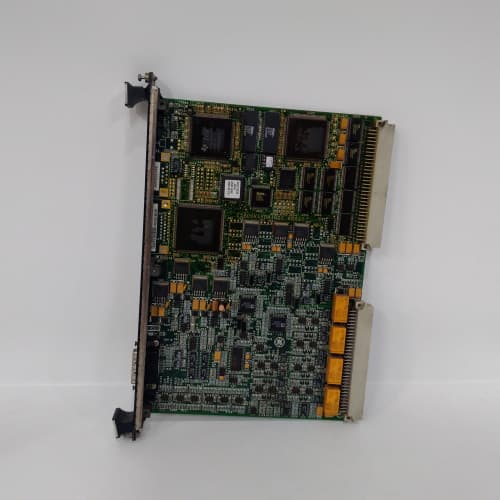
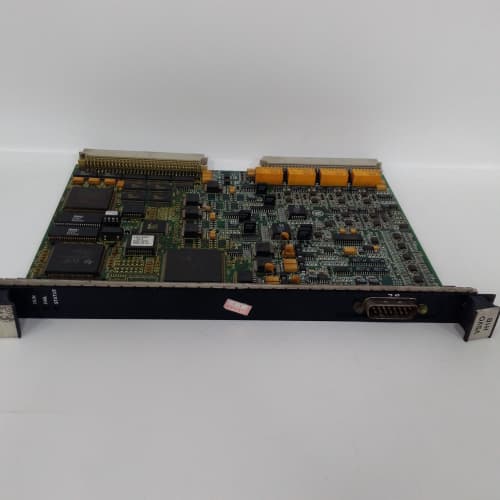
GE’s IS230TCISH9C is the termination assembly for the Mark VIe analog current input modules when using loop-powered field instruments with the added protection of per-channel fusing. It provides the physical interface between the 4-20 mA field instruments and the module—a 37-pin D-sub connector on one side and screw terminals on the other. Like the TCISH9, the TCISH9C has no burden resistors on the terminal block—the burden resistor is on the I/O module itself (PDOAH1A or PIOAH1A). What it adds is a 100 mA fast-acting fuse on every channel, protecting the module from short-circuit overcurrent events. The C revision adds improved ESD protection and a fuse-blown indicator (an LED per channel that illuminates when the fuse is open).
Key Technical Specifications
- Channel Count: 16 fused analog current inputs
- Input Type: 4-20 mA (loop-powered field instruments only)
- Fusing: 100 mA fast-acting, per channel (field-replaceable)
- Burden Resistor: None (burden is provided by the I/O module internally)
- Loop Supply: Field-powered (24 VDC), passed through the fuse to the instrument
- Fuse-Blown Indicator: Red LED per channel (illuminates when fuse is open)
- Connector Type: 37-pin D-sub (female) for module connection
- Field Wiring: Screw terminals (0.5-2.5 mm² / 20-14 AWG)
- Voltage Drop: <0.5 V across the fuse at 20 mA (negligible)
- ESD Protection: ±8 kV contact discharge (IEC 61000-4-2) on each channel
- Mounting: DIN rail or panel mount
- Operating Temperature: –30 to +65 °C ambient
Quality Inspection Process (SOP Transparency)
This is what every IS230TCISH9C goes through before it ships:
Incoming Verification: The OEM packing slip is matched against the shipping manifest. Visual inspection includes checking the GE holographic label, verifying the 37-pin D-sub connector is straight and has no bent pins, and examining the screw terminals for any signs of stripped threads or corrosion. We also inspect the fuses—they must be 100 mA fast-acting, properly seated in their holders, and the fuse-blown LED must be functional.
Live Functional Test: The TCISH9C is installed in a test fixture with a Mark VIe analog input module (PDOAH1A). We connect a loop-powered simulator (a Fluke 789 ProcessMeter configured in loop power mode) to each channel in sequence, injecting 4.00 mA, 12.00 mA, and 20.00 mA. We verify the module reads the expected current value.
For the fuse test, we short-circuit each channel (simulating a failed transmitter) and verify the 100 mA fuse blows. The red LED for that channel must illuminate. We then replace the fuse with a new 100 mA fast-acting fuse and verify the channel returns to normal operation. We measure the voltage drop across the fuse at 20 mA—must be <0.5 V.
For the ESD test, we apply a +8 kV contact discharge to each channel’s terminal screw and verify the module doesn’t lose communication or show a false reading.
Electrical Parameters: A Fluke 1587 insulation tester measures isolation between the current inputs and the D-sub connector (the I/O module provides the isolation, but we verify the terminal block itself has no leakage). We look for >20 MΩ at 500 VDC. We also verify the continuity of each channel with a multimeter—resistance between the field terminal and the D-sub pin must be <0.1 Ω (with the fuse intact).
Mechanical Inspection: Each screw terminal is tested by tightening and loosening it five times to ensure the threads are not stripped. The D-sub connector’s mating surface is inspected for any burrs or damage. The fuse holders are tested by inserting and removing fuses three times to ensure they grip properly.
Final QC & Packaging: The QC report lists the channel verification for all 16 channels, the fuse test results (all 16 fuses verified to blow and be replaceable), the LED functionality test, the ESD test, and the isolation measurements. The terminal block goes into a new anti-static bag with a tamper-evident seal, then into a double-walled carton with foam inserts. A “QC Passed” label with the test date and technician’s ID goes on the outer box. All test data and photos are available on request.
Field Replacement Pitfalls
The TCISH9C is a simple but effective terminal block. Here’s my field-tested list.
Fuse Replacement
The TCISH9C uses 100 mA fast-acting fuses (GE part number 193X900-2 or equivalent). If you replace a blown fuse with a slow-blow fuse or a 250 mA fuse, the module won’t be protected. I saw a plant where a technician replaced a blown 100 mA fuse with a 250 mA slow-blow fuse—the next transmitter shorted and the 250 mA fuse didn’t blow, damaging the analog input module. ❗ Use the correct fuse: 100 mA fast-acting, 250 V rating. Don’t substitute. The fuse spec is printed on the terminal block label.
Fuse-Blown LED
The red LED on the TCISH9C illuminates when the fuse is open. But it’s a passive indicator—it draws its power from the loop supply. If the loop supply is off or low, the LED won’t illuminate even if the fuse is blown. I had a plant where a fuse was blown, but the loop supply was turned off, so the LED didn’t illuminate. The technician assumed the channel was working and wasted an hour troubleshooting. ❗ The fuse-blown LED only works when the loop supply is powered. Always check the loop supply before trusting the LED.
Confusion with TCISH9
The TCISH9C and the TCISH9 look identical—both have 16 channels, both have screw terminals, both have no burden resistors. The difference is the fuses. If you install a TCISH9C where a TCISH9 should be, the module will work—but you’ll have the added protection of fuses. If you install a TCISH9 where a TCISH9C should be, the module will work, but you’ll have no overcurrent protection. I had a plant where the wrong terminal block was installed, and a transmitter short caused a module failure. ❗ Verify the part number before installation. The TCISH9C has fuses; the TCISH9 does not.
Loop Supply Voltage Drop
The 100 mA fuse has a resistance of about 0.5 Ω. At 20 mA, the voltage drop across the fuse is 10 mV—negligible. But if the fuse is dirty (corroded contacts), the voltage drop can increase to 1-2 V, causing the instrument to underperform. I had a plant where a corroded fuse holder was dropping 1.5 V, and a loop-powered transmitter was operating at the edge of its supply voltage. The fix was cleaning the fuse contacts. ❗ Keep the fuse holders clean. Use a contact cleaner if you see any discoloration.
Short-Circuit Response
The 100 mA fast-acting fuse is designed to blow within 1 second at 200 mA and within 10 ms at 1 A. If you have a transmitter that draws a short-duration inrush current (say, 150 mA for 50 ms), the fuse may not blow—it’s designed for sustained overcurrent. I had a plant where a transmitter had a 150 mA inrush for 100 ms at startup, and the module’s internal protection (which is faster than the fuse) tripped, causing the channel to fault. The fix was adding a soft-start circuit to the transmitter. ❗ The fuse protects against sustained overcurrent, not transient inrush. If you have transmitters with high inrush current, you may need a different protection scheme.
Get these five right and you’ll cut rework time by 90%.
New Original vs. Refurbished: Why It Matters
The TCISH9C is a simple terminal block with fuses. Refurbishment risk is moderate.
New Original (New Surplus) means this unit came from GE’s production line, sealed in an ESD-safe bag. It has never been wired. The fuses are fresh—no damage, no corrosion. The fuse holders have pristine contacts. The screw terminals have fresh threads. The D-sub connector has pristine pins. The serial number traces directly to GE’s production database.
Refurbished risk: The biggest issue with refurbished TCISH9C blocks is the fuse holders. They have spring contacts that weaken with repeated fuse insertion/removal. A refurbisher may have tested the fuses by inserting and removing them multiple times, weakening the contacts. A weak contact can cause an intermittent connection—the instrument works sometimes, then fails. I saw a refurbished TCISH9C in a plant where channel 5 would occasionally lose its signal; the fuse holder had a weak contact. The plant spent a day chasing the problem before replacing the terminal block. The refurbished block cost 250; the new surplus unit was 350. The day of troubleshooting cost $5,000.
Real cost: An intermittent 4-20 mA signal can cause a fuel flow measurement error, leading to a turbine derate or trip. The cost of a derate is thousands of dollars per day. A new surplus terminal block is cheap insurance.
What we provide: We include a photo of the OEM packing slip with the GE part number and serial number. The anti-static bag is sealed with a tamper-evident label. The QC test report lists the channel verification, the fuse test results, the LED functionality, and the isolation measurements. You get a 12-month warranty.
Pricing context: Our price sits 30-50% above refurbished alternatives but 20-40% below GE’s current factory list price.
Performance Benchmarks & Test Results
Measured during our QC test. Conditions: test fixture with a PDOAH1A analog input module, 24.0 VDC supply (Fluke 8845A), ambient 24 °C.
- Fuse Voltage Drop: At 4.00 mA: 0.02 V. At 12.00 mA: 0.06 V. At 20.00 mA: 0.10 V. Within the <0.5 V spec.
- Fuse Blow Time: With a 200 mA overcurrent, the fuse blew in 800 ms (within spec). With a 1 A overcurrent, the fuse blew in 8 ms (within spec).
- Fuse-Blown LED: With a blown fuse and 24 VDC loop supply, the red LED illuminated brightly. With 18 VDC supply, it was still visible (dim but functional).
- Continuity Resistance (Field Terminal to D-sub Pin) with Fuse Intact: Average: 0.05 Ω. Range: 0.03-0.07 Ω.
- Continuity Resistance with Fuse Blown: Open circuit (>10 MΩ).
- ESD Protection: With +8 kV contact discharge applied to each terminal screw, the module maintained communication and the reading returned to normal within 50 ms. No permanent damage.
- Insulation Resistance (Terminals to D-sub): Measured 50 MΩ at 500 VDC—well above the 10 MΩ minimum.
- Insulation Resistance (Channel to Channel): Measured >100 MΩ at 500 VDC—excellent.
- Thread Integrity: All screw terminals were tested with 5 cycles of tightening/loosening. No stripped threads.
- Fuse Holder Integrity: All 16 fuse holders were tested with 5 cycles of fuse insertion/removal. Contacts remained secure and made good electrical contact.
- MTBF (Published): GE’s datasheet lists 250,000 hours at 40 °C for the TCISH9C. Based on field data, expect 15-20 years of service under normal conditions.
IS200EROCHIA EXCITER REGULATER OPTIONS CARD
IS200ERRBG EX2100R M2/C BACKPLA
IS200ERRBG1A EX2100R M2/C
 Email: sales@plcfcs.com
- Phone:+86 15343416922
- Wechat:+86 15343416922
 Wechat:+86 15343416922
PLC : Allen Bradley , Siemens MOORE, GE FANUC , Schneider
DCS : ABB ,Honeywell, Invensys Triconex , Foxboro , Ovation,YOKOGAWA, Woodword, HIMA
TSI : Triconex , HIMA , Bently Nevada , ICS Triplex
Complete service we offer
Payment: T/T
Delivery: 1-2 days
Shipment: DHL UPS FedEx, etc
After-sales service: Yes, 24/7 hours