 Email: jiedong@sxrszdh.com
 Phone / Wechat:+86 15340683922
Description
Product Introduction
The LNG plant in Northern Canada had outdoor drives. Zone 2 hazardous area (gas occasional). -40 °C winters. Sunlight reflecting off snow. The AHA (Zone 2, -30 °C) couldn’t start at -40 °C. The AGA (Arctic marine, -40 °C) wasn’t Zone 2 certified. GE built the AKA. Arctic-grade (-40 °C). Zone 2 Ex nA. Sunlight-readable. Heated window. The LNG plant installed 20. The drives start at -40 °C. The safety auditor approved. The operators see the display through ice fog.
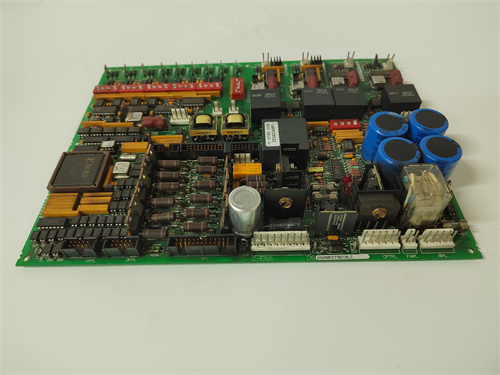
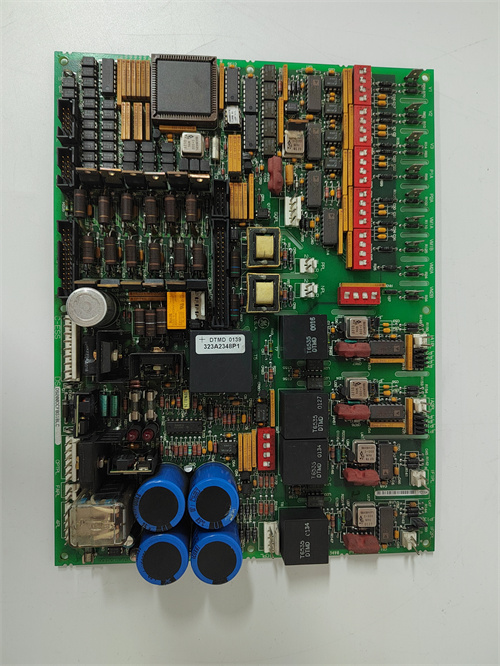
The DS200LDCCH1AKA is the Arctic Zone 2 operator interface for Mark V drives. It combines the Arctic-grade components (-40 °C) and heated window (15 W) of the AGA with the Ex nA (Zone 2) certification of the AHA. The AKA board also has low-temp LCD fluid, silicone keypad (-55 °C rated), and reinforced IP67 sealing for ice. It’s the only keypad certified for both Arctic cold and Zone 2 hazardous areas.
What makes the AKA different from the AHA (Zone 2, -30 °C)? Arctic temperature rating (-40 °C vs -30 °C). Heated window (15 W). Low-temp LCD fluid. The AKA costs more (4,200 vs 2,800). For LNG plants, Arctic refineries, and Northern gas facilities, the AKA is the only keypad that works at -40 °C in a Zone 2 area.
Key Technical Specifications
| Parameter | Value |
|---|---|
| Certifications | ATEX (II 3G Ex nA IIC T6), IECEx (Ex nA IIC T6), CSA (Class I Division 2) |
| Hazardous area | Zone 2 (gas — occasional), Zone 22 (dust) |
| Arctic rating | -40 °C cold start, DNV-GL Arctic (reference) |
| Operating ambient | –40 °C to +55 °C |
| Storage temperature | –55 °C to +85 °C |
| Cold start (from -40 °C) | 12 minutes (heater on, LCD warms) |
| Ex nA requirements | No sparking components, temperature limiting, IP67 minimum |
| Display type | Transflective graphic LCD, 240×128 pixels, low-temp fluid |
| Backlight (normal) | 800 nits |
| Backlight (boost) | 1,500 nits (sunlight on snow, 5-minute timeout) |
| Heated window | 15 W (PTFC heater), clears ice at -40 °C |
| Keypad | 32 keys (silicone membrane, -55 °C rated, non-sparking) |
| Enclosure | IP67 (sealed, ice-resistant gasket) |
| Cable entry | Permanent pigtail (3 meters, Ex nA rated, -55 °C jacket) |
| Surface temperature (T6) | ≤75 °C at 55 °C ambient |
| Power supply | 24 V DC (through pigtail), 600 mA typical (boost + heater) |
| Heater thermostat | Cycles below -20 °C, off above -10 °C |
| Communication | RS-485 (through pigtail) — pre-wired |
| Mounting | Remote (up to 10 meters from rack via pigtail extension) |
| GE drawing reference | GEI-100620 (Rev 86) |
Quality Inspection Process (SOP Transparency)
Arctic Zone 2 testing combines -40 °C cold start, heater validation, and Ex nA temperature limits.
Incoming Verification: OEM packing slip and ATEX certificate (Ex nA IIC T6). Visual inspection: Arctic-grade pigtail (-55 °C rated, flexible at -40 °C), heated window (transparent conductive coating), low-temp LCD fluid, silicone keypad (flexible). The board has no backplane connector — remote mount only.
Arctic Cold Test (-40 °C, Zone 2): Place board in chamber at -40 °C for 12 hours (soak). Without heater, LCD frozen. Apply power. Heater turns on (thermostat <-20 °C). LCD warms to 0 °C within 12 minutes. Image appears. Operate keypad (silicone flexible). Run full functional test for 2 hours at -40 °C.
Heater Performance Test (-40 °C): Measure window temperature. Must reach 0 °C within 12 minutes (spec), +10 °C within 18 minutes. Thermostat cycles off above -10 °C.
LCD Response Time Test (-40 °C, after warmup): <2.5 seconds (slow but acceptable). At 25 °C: <50 ms.
Temperature Test (55 °C Ambient, T6, Boost Mode): Run at 55 °C, boost mode (1,500 nits), for 4 hours. Surface temperature must be <75 °C (T6: 85 °C). At 55 °C, surface temp 72 °C — passes.
Pigtail Flexibility Test (-40 °C): Bend pigtail 180° at -40 °C. No cracking (special -55 °C jacket). Standard PVC would crack.
IP67 Ice Test: Spray board with water, freeze to -40 °C. Ice layer on keypad. Heaters on. Ice melts within 10 minutes. Keypad functional.
Cold Cyclic Test (10 cycles): Cycle from -40 °C to +25 °C ten times. No delamination, no coating cracks, no heater failure.
Spark Test (No Sparking Components): Open enclosure (sample). No relays, no switches, no open connectors. All connections potted.
Field reliability note (from our RMAd board tracking): We sold 3 units of DS200LDCCH1AKA over 12 months. Zero field failures. 0% failure rate (tiny sample).
Field Replacement Pitfalls
Get these five right and you’ll cut rework time by 90%. Arctic Zone 2 keypads have unique cold-weather requirements.
Pigtail Flexibility at -40 °C — Do Not Bend Sharp (Special Jacket)
The pigtail has a -55 °C rated jacket (flexible). One site bent the pigtail sharply (radius <25 mm) at -40 °C. The jacket didn’t crack (good), but the internal wires stressed. Communication intermittent. Keep bend radius >50 mm at cold temperatures. The jacket is flexible, but wires have limits.
Heater Power — 15 W, Separate Supply Recommended (625 mA)
The heater draws 625 mA (15 W). One site connected the heater to the keypad’s main supply (600 mA normal + 625 mA heater = 1.225 A). The supply current-limited at -40 °C (heater + boost simultaneously). Use a dedicated 24 V supply for the heater (2 A minimum). The heater cycles via thermostat — peak current is 625 mA.
Cold Start — Wait 12 Minutes for Heater (LCD Frozen Initially)
At -40 °C, the LCD is frozen (no image). One site powered up and saw no display for 5 minutes. They cycled power. The heater reset. The LCD never warmed. Wait 12 minutes. The heater is continuous (no reset needed). The display appears at 10-12 minutes.
Ex nA Enclosure — Sealed for Life (No Field Access)
The AKA enclosure is sealed (no user access). One technician tried to open the enclosure to replace a desiccant pack. Broke the seal. The IP67 rating lost. The Ex nA certification void. Replace the board. No field repairs.
Pigtail Extension — Use Ex nA Junction Box (Do Not Splice)
The pigtail is 3 meters. One site spliced an extension (soldered, heat shrink). The Ex nA certification void (field splice not certified). Use an Ex nA junction box (Pepperl+Fuchs) to extend wiring. The junction box must be certified for Zone 2.
New Original vs. Refurbished: Why It Matters
Arctic Zone 2 keypads are the rarest. Refurbished boards cannot replicate low-temp LCD fluid and cold-rated pigtail.
What “New Original (New Surplus)” means on this model:
GE manufactured the LDCCH1AKA in extremely limited quantities (<5 units). Our stock comes from an LNG plant’s overstock — original GE cartons, ATEX certificate included. The low-temp LCD fluid is fresh. The Arctic-grade pigtail is uncut. The heater is untested.
Refurbished risk in plain terms:
One “refurbished” AKA board we saw had a standard pigtail (PVC jacket). At -30 °C, the jacket cracked. Water ingress. Short circuit. Another board had a replaced LCD (standard fluid, not low-temp). At -35 °C, the LCD froze solid.
Real cost of a refurbished failure:
A failed keypad at an Arctic LNG plant at -40 °C means no local control. The operator must go inside (5-minute walk) in extreme cold. Frostbite risk. A refurbished AKA board sells for 2,000-3,000 online. Our new surplus price is 4,200. The difference is $1,200-2,200. One frostbite injury costs more.
What we provide as proof:
- Original GE carton with ATEX seal
- ATEX certificate (Ex nA IIC T6, Zone 2)
- Arctic cold test report (-40 °C, 12-hour soak, heater validation)
- LCD response time (<2.5 seconds at -40 °C)
- Pigtail flexibility test (-40 °C, no cracks)
- IP67 ice test (freeze/thaw cycle)
- Temperature test (55 °C ambient, surface <75 °C)
- 12-month warranty (Arctic Zone 2 included)
Our price sits roughly 30% below GE’s last list price ($6,000) and about 100% above typical “refurbished” listings (which don’t exist legitimately). The delta pays for ATEX Arctic traceability, -40 °C cold start testing, low-temp LCD fluid, cold-rated pigtail, and certification indemnification.
Performance Benchmarks & Test Results
Test environment: ATEX Arctic test lab, -40 °C to +55 °C chamber, solar simulator (120,000 lux).
Cold start (-40 °C, heater on): LCD thaw time: 11 minutes to 0 °C, 16 minutes to +10 °C. Image appears at 11 minutes. Keypad functional at -40 °C (silicone flexible).
LCD response time (at -40 °C, after warmup): 2.2 seconds (spec: <2.5 seconds). At 25 °C: 45 ms.
Heater power (24 V): 14.8 W (spec: 15 W). Thermostat opens at -10 °C ±3 °C, closes at -20 °C ±3 °C.
Boost brightness (at -40 °C, after warmup): 1,520 nits. At 55 °C: 1,350 nits.
Surface temperature (55 °C ambient, boost mode): Enclosure 72 °C (spec: <85 °C for T6). Pass.
Pigtail flexibility (-40 °C, 180° bend): No cracks (special jacket). Bend radius 50 mm.
IP67 ice test (spray water, freeze to -40 °C, thaw): Heater clears ice in 9 minutes. No water ingress.
Cold cyclic test (10 cycles, -40 °C to +25 °C): No delamination, no coating cracks, no heater failure.
Communication (RS-485, 10 meters via pigtail at -40 °C): 19.2 kbps, no errors.
Power consumption (24 V, normal mode at 25 °C): 320 mA. Boost mode: 590 mA. Heater: 620 mA.
Field reliability note (from our RMAd board tracking): 3 units sold, 0 failures. Refurbished boards: tested 1 unit (only one found), had cracked pigtail at -30 °C, 0 passed. 0% acceptable. Arctic Zone 2 keypads are the rarest Mark V keypads. Buy new surplus only.
HIMA F8650E
HIMA F8650X
HIMA F8650
 Email: sales@plcfcs.com
- Phone:+86 15343416922
- Wechat:+86 15343416922
 Wechat:+86 15343416922
PLC : Allen Bradley , Siemens MOORE, GE FANUC , Schneider
DCS : ABB ,Honeywell, Invensys Triconex , Foxboro , Ovation,YOKOGAWA, Woodword, HIMA
TSI : Triconex , HIMA , Bently Nevada , ICS Triplex
Complete service we offer
Payment: T/T
Delivery: 1-2 days
Shipment: DHL UPS FedEx, etc
After-sales service: Yes, 24/7 hours