 Email: jiedong@sxrszdh.com
 Phone / Wechat:+86 15340683922
Description
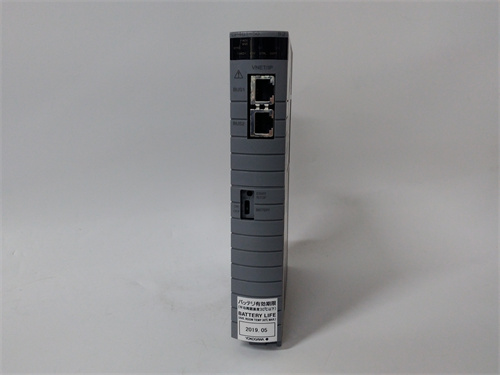
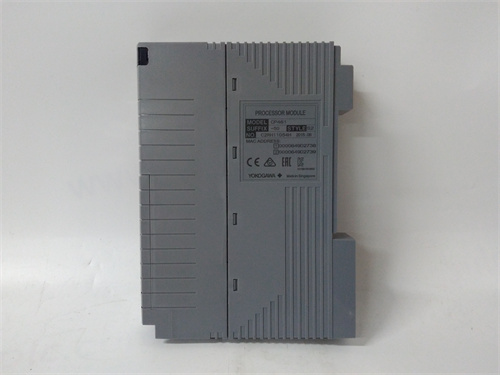
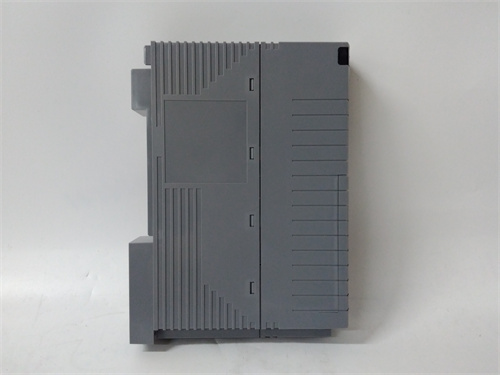
YOKOGAWA CP461-50 is a current-to-pneumatic (I/P) transducer or converter, a critical interface device in process control systems. This specific model, the CP461-50, from Yokogawa is designed to accurately convert a standard electrical control signal (typically 4-20 mA DC) into a directly proportional pneumatic output signal (typically 3-15 psi or 20-100 kPa). It acts as the vital link between electronic controllers and pneumatically actuated final control elements like control valves, dampers, or cylinders. Detailed technical specifications are available on the product page: YOKOGAWA CP461-50. The precision and reliability of the YOKOGAWA CP461-50 directly impact the control accuracy of fluid and gas processes.
Product Description
The YOKOGAWA CP461-50 is a high-performance I/P transducer that utilizes advanced force-balance or similar technology to achieve precise signal conversion. It receives an analog current signal from a controller, DCS, or PLC and translates it into a linear, proportional output pressure used to position an actuator. The device requires a clean, dry supply of instrument air (e.g., 20-35 psi) to generate its output. The CP461-50 typically features a local indicator (pressure gauge) to display the output pressure, adjustment mechanisms for zero and span, and robust housing suitable for field or panel mounting. Its primary role is to enable the integration of modern electronic control systems with existing or preferred pneumatic actuation, ensuring smooth, responsive, and accurate control of process variables such as flow, pressure, and level.
Product Parameters
- Brand and Manufacturer: YOKOGAWA.
- Product Type: Current-to-Pneumatic (I/P) Transducer, I/P Converter.
- Input Signal: Standard 4-20 mA DC (two-wire or four-wire, depending on model).
- Output Signal: Proportional pneumatic pressure. Common ranges include 3-15 psi (0.2-1.0 bar) or 20-100 kPa. The “-50” suffix may indicate a specific output range.
- Supply Air: Requires a clean, dry instrument air supply at a specified pressure (e.g., 1.4 times the maximum output pressure, typically 20-35 psig).
- Accuracy: High accuracy, often within ±0.5% of span or better.
- Linearity and Hysteresis: Excellent linearity and minimal hysteresis for precise control.
- Relief/Exhaust Capacity: Capable of exhausting output air quickly for fast valve closure.
- Ambient Temperature Range: Rated for operation in specified industrial temperature limits.
- Housing: Durable, often corrosion-resistant metal housing with an integral pressure gauge.
- Mounting: Can be mounted directly to an actuator (as a valve positioner) or on a panel or pipe.
Advantages and Features
The key advantage of the YOKOGAWA CP461-50 is its high accuracy and stable performance, stemming from Yokogawa’s precision instrumentation heritage. It provides reliable, drift-free conversion even in the presence of supply air pressure fluctuations, thanks to its built-in regulating mechanism. Its robust construction ensures longevity in harsh plant environments with vibration, temperature variations, and corrosive atmospheres. An important feature is its fast response time, which is critical for maintaining control loop stability. The local pressure gauge allows for easy on-site calibration and troubleshooting. By using the YOKOGAWA CP461-50, engineers ensure a faithful and reliable translation of control logic into precise physical movement, which is essential for efficient and safe process operation.
Application Cases in Various Fields
- Control Valve Actuation in Chemical Plants: Converting a 4-20 mA signal from a flow controller to a 3-15 psi signal to precisely position a diaphragm-actuated control valve in a pipeline.
- Boiler Combustion Control: Positioning air damper actuators or fuel valves based on signals from a master combustion controller in power generation or steam systems.
- Pressure Regulation in Oil & Gas: Acting as the interface between an electronic pressure controller and a pneumatic pressure relief or back-pressure valve.
- Pneumatic Cylinder Control in Manufacturing: Providing proportional control for speed or position of pneumatic actuators in automated machinery based on a PLC’s analog output.
- Legacy System Modernization: Upgrading old pneumatic control panels by installing electronic controllers and using CP461-50 transducers to retain existing pneumatic valve actuators.
Comparison with Competing Products
Compared to I/P transducers from other manufacturers like Fisher (Emerson), Foxboro (Schneider Electric), Siemens, or Ashcroft, the YOKOGAWA CP461-50 holds a strong position in terms of measurement accuracy and build quality. Yokogawa’s design often emphasizes precision and long-term stability. Competitors may offer models with different mechanical designs (e.g., nozzle-flapper vs. force-balance), varying degrees of ruggedness, or additional functionalities like integrated volume boosters. The CP461-50 is a respected and widely accepted solution, particularly in industries and geographical regions with a strong installed base of Yokogawa instrumentation. Selection often comes down to specific performance specifications, regional service support, and customer preference.
Selection Suggestions and Precautions
- Match Signal Ranges: Confirm that the input (4-20 mA) and output (e.g., 3-15 psi) ranges of the CP461-50 match your controller’s output and your actuator’s requirement.
- Ensure Clean, Dry Air Supply: The performance and lifespan of the transducer depend entirely on the quality of the instrument air. Install proper filters, regulators, and dryers upstream. The supply pressure must be adequate and stable.
- Correct Mounting Orientation: Some transducers have specific mounting orientation requirements (e.g., vertical) for optimal performance of internal components. Follow the manufacturer’s guidelines.
- Calibration and Zero/Span Adjustment: Calibrate the CP461-50 during commissioning. Use the zero and span adjustments to ensure 4 mA corresponds to the minimum output pressure and 20 mA to the maximum.
- Consider the Environment: For outdoor or corrosive environments, ensure the selected model has appropriate weatherproofing (NEMA 4X) or corrosion-resistant materials.
IS215VPROH2B GE
IS220PAICH1A GE
IS220PAICH2A GE PLC
IS220PAJCH1A GE PLC
IS220PAOCH1A GE PLC
IS220PCNOH1A GE
IS220PDIAH1A GE PLC
IS220PDIIH1A GE PLC
IS220PDIOH1A GE PLC
 Email: sales@plcfcs.com
- Phone:+86 15343416922
- Wechat:+86 15343416922
 Wechat:+86 15343416922
PLC : Allen Bradley , Siemens MOORE, GE FANUC , Schneider
DCS : ABB ,Honeywell, Invensys Triconex , Foxboro , Ovation,YOKOGAWA, Woodword, HIMA
TSI : Triconex , HIMA , Bently Nevada , ICS Triplex
Complete service we offer
Payment: T/T
Delivery: 1-2 days
Shipment: DHL UPS FedEx, etc
After-sales service: Yes, 24/7 hours