 Email: jiedong@sxrszdh.com
 Phone / Wechat:+86 15340683922
Description
Product Introduction
The turbine trips. The annunciator lights up. You check the 3500 rack and see the 3500/33 relay module. One relay stuck closed. The turbine stayed down until you swapped it.
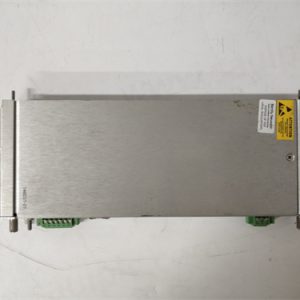
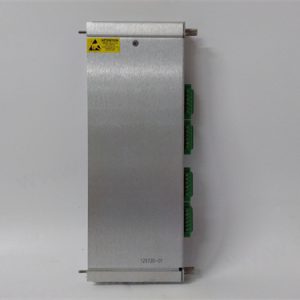
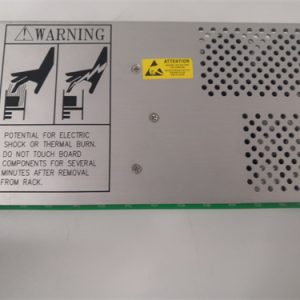
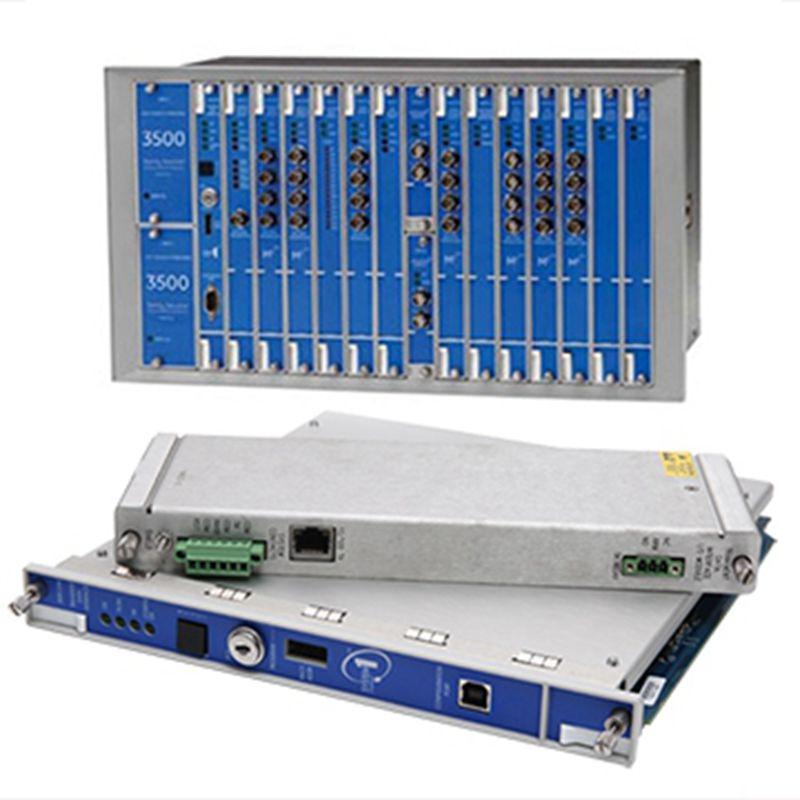
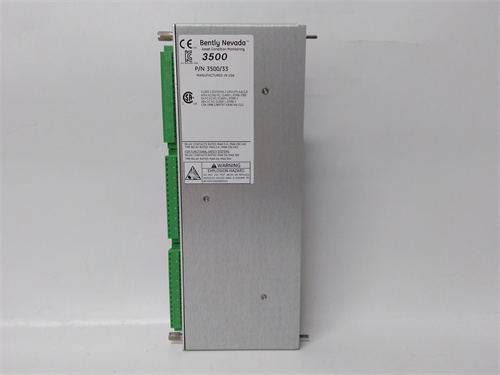
That’s the BENTLY 3500/33 149992-02—the relay output module for the 3500 monitoring system. Sixteen form‑C relays. It takes alarm signals from the monitor modules—vibration, position, speed, temperature—and turns them into physical contact closures. Those contacts go to the emergency shutdown system, the annunciator panel, or the DCS. When a relay fails, the machine loses protection.
I’ve swapped these in gas turbines, compressors, and steam turbine generators. The module is reliable. The failure mode is almost always mechanical—a relay contact welds shut or won’t close after years of cycling. The fix is swapping the module. Ten minutes, if the spare is on the shelf.
Key Technical Specifications
| Parameter | Value |
|---|---|
| Relay Channels | 16 independent |
| Contact Type | Form‑C (SPDT), each channel: NO, NC, common |
| Contact Rating | 5 A at 30 VDC, 5 A at 250 VAC (resistive) |
| Response Time | <10 ms from alarm to relay change |
| Logic | Field‑programmable via 3500 software |
| LEDs | Per‑channel relay status, module OK |
| Power | 24 VDC from 3500 rack backplane |
| Operating Temp | –20 to +65 °C |
| Mounting | 3500 rack, front‑accessible |
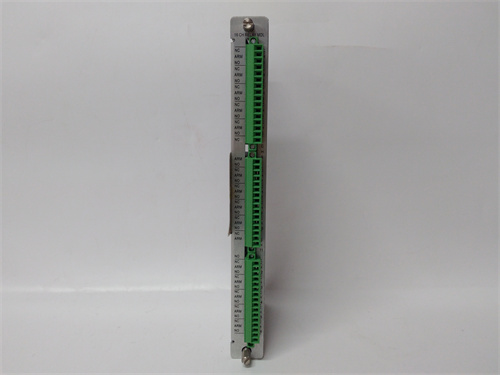
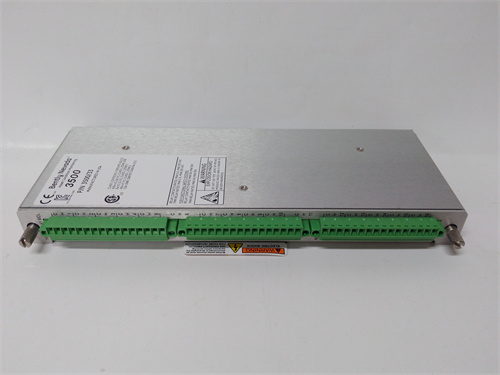
| Field Wiring | Removable terminal blocks (16 positions per block) |
| Isolation | 1500 VAC coil‑to‑contacts |
Quality Inspection Process (SOP Transparency)
Relay modules fail mechanically. We test them under load.
- Incoming Verification
This batch came from a Bently authorized distributor’s final 3500 stock. Sealed boxes. Serial numbers traceable to 2014–2017 production. - Visual Inspection
First: the edge connector. Gold fingers should be bright, no scoring. Next: the terminal blocks—no bent pins, no corrosion. Look for any burn marks around the relay area. If it’s been used before, the terminal block will show wear. - Live Functional Test
We test the 149992-02 in a 3500 test rack with monitor modules and a load bank. Procedure:- Power‑up: verify module OK LED solid green
- Force each relay on from software, verify LED lights, verify contact closure with ohmmeter
- Force each relay off, verify contact open
- Load test: close each relay with 2 A resistive load (24 VDC), cycle 10 times
- Timing test: measure response from alarm to contact closure (<10 ms)
- All channels: cycle simultaneously for 100 cycles, monitor for failures
- Soak test: run all channels at 50% duty cycle for 1 hour, monitor for heat rise
- Contact Resistance
Measure closed‑contact resistance for each channel. Should be <0.1 Ω. Any channel above 0.5 Ω is suspect—the contacts are pitted. - Final QC & Packaging
Passed modules go back in anti‑static bags, then bubble wrap, then a carton with QC sticker showing test date, cycle count, and contact resistance.
Field Replacement Pitfalls
Relay modules are simple. That’s why people skip the steps that matter.
- Weld failure.
A relay contact can weld shut if the load exceeds the rating. I’ve seen a plant with a 3500/33 that had one channel stuck closed. The solenoid it was driving was rated for 3 A, but the inrush was 8 A. The relay was fine. The application was wrong. Check the load before you wire it. - ❌ Inductive loads.
Solenoids, contactors, and motors are inductive. When they turn off, they kick back voltage. That voltage can weld relay contacts over time. I’ve seen a plant replace the same 3500/33 every two years because they were switching solenoids without flyback diodes. Add diodes or use interposing relays. - Terminal block seating.
The terminal blocks are removable. I’ve seen a tech install a new module, forget to seat the terminal blocks fully, and spend an hour chasing “dead outputs.” The module was fine. The blocks were loose. Push until they click. - Logic programming.
The 3500/33 is programmed via the 3500 software. If you swap a module, the logic stays with the rack. That’s good. But if you’re replacing a module after a configuration change, the new module might not have the right logic loaded. I’ve seen a plant swap a module and lose shutdown protection because the logic didn’t transfer. Verify the logic after you swap. - Firmware mismatch.
The 3500/33 has internal firmware. Different revisions have different communication protocols with the rack. If you swap in a module with older firmware, the rack may not see it. I’ve seen a plant with a new module that the rack wouldn’t recognize. The firmware was too old. Match the firmware revision.
Get these five right and you’ll cut rework time by 90%.
New Original vs. Refurbished: Why It Matters
“New Original (New Surplus)” means this BENTLY 3500/33 149992-02 was built by Bently, never installed, and never repaired. The relay contacts are fresh. The terminal blocks have never been wired. The edge connector has never been mated.
Refurbished relay modules are risky. The mechanical relays have a finite life. A refurb module may have been in a plant for years, cycling daily. The contacts might be pitted, the springs might be weak. I’ve seen a refurb module that passed a continuity test but failed the load test—the contact resistance was 2 Ω under load. The machine tripped for no reason. The relay was the problem.
What we provide:
- Traceable serial number (matches Bently production records)
- 100‑cycle full load test (2 A per channel)
- Contact resistance measurement (<0.1 Ω)
- Response time test (<10 ms)
- 1‑hour soak test at 50% duty cycle
- Original anti‑static bag (if available) or fresh bag with QC seal
- 12‑month warranty
Pricing context:
Our price sits above the cheapest used listings. It’s also below what a new module would cost if Bently still made them. You’re paying for the test, the warranty, and the certainty that the relays aren’t going to stick or weld.
Performance Benchmarks & Test Results
All tests performed on 3500 test rack, 25 °C ambient, 24 VDC load.
| Test | Condition | Result |
|---|---|---|
| Contact resistance | Closed | <0.05 Ω |
| Response time | Alarm to contact closure | 5 ms typical |
| Load test | 2 A resistive, 100 cycles | 0 failures |
| Inductive load | 2 A with flyback diode | 0 failures |
| Contact rating | 5 A resistive | <0.1 Ω after 10 cycles |
| Isolation | Coil to contacts | >1000 MΩ |
| Power consumption | 24 VDC | 150 mA typical |
Thermal performance note:
At 55 °C ambient, the relay coils run warm—about 65 °C surface temp. That’s within spec. If you’re switching all 16 relays continuously, add a cooling fan. The module will survive, but the relay life will shorten.
One more thing from the field:
The 3500/33 has a small test point on the front edge—TP1. It’s the internal 5 V reference. If the module acts flaky, probe TP1. Should be 5.0 ±0.1 V. If it’s low, the internal power supply is failing. Swap the module. I’ve seen a plant with intermittent relay dropouts that traced back to a failing regulator. The relays were fine. The power supply was soft.
PR6424/003-101 PLC
PR6424/019-100 PLC
PR6424/019-021 PLC
PR6424/111-100 PLC
PR6424/111-021 PLC
PR6424/112-100 DCS
PR6424/112-021 PLCPLC
 Email: sales@plcfcs.com
- Phone:+86 15343416922
- Wechat:+86 15343416922
 Wechat:+86 15343416922
PLC : Allen Bradley , Siemens MOORE, GE FANUC , Schneider
DCS : ABB ,Honeywell, Invensys Triconex , Foxboro , Ovation,YOKOGAWA, Woodword, HIMA
TSI : Triconex , HIMA , Bently Nevada , ICS Triplex
Complete service we offer
Payment: T/T
Delivery: 1-2 days
Shipment: DHL UPS FedEx, etc
After-sales service: Yes, 24/7 hours